By The Tahona Editorial Team
The Burnout Blues: A Bartender’s Guide to Staying Sane (Mostly)



Written by
The Tahona Editorial Team
Published on
Mar 17, 2026

Chronic stress is not normal in our industry. Neither is constantly dealing with conflict or being under pressure at work or at home. Take a moment to pause—because you may be experiencing emotional fatigue, a state of deep psychological and emotional exhaustion that develops after prolonged exposure to intense emotional demands.
You may have already noticed that your emotional energy is slowly running out. Take a moment to pause before you end up completely drained of vitality and strength.
In psychology, this phenomenon is often associated with the term burnout, which is more closely related to work-related exhaustion. Emotional fatigue, on the other hand, is often connected to family life, relationships, and personal situations.
But when you think about it, you might also be experiencing burnout as a bartender.
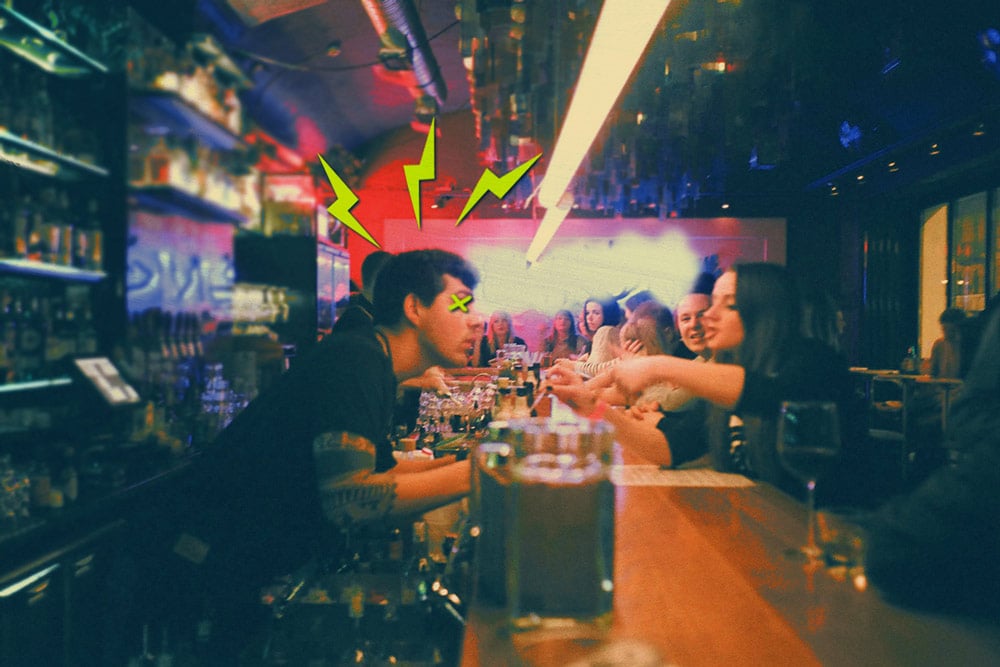
This is not an easy job, even if we love it. Long shifts, constant social pressure, being surrounded by alcohol all the time, and the emotional toll of having to appear “fine” in front of guests. In a single night, you can end up being a host, an improvised therapist, a conflict mediator, and even an entertainer.
This deep mental and emotional fatigue can appear as constant mental tiredness, irritability, impatience, difficulty concentrating, loss of motivation or enthusiasm, and the feeling that you no longer have anything left to give emotionally. If this continues unchecked, it can eventually lead to depression or anxiety, and we certainly do not want it to reach that point.
Of course, nobody wants to feel this way. But if you are going through a period of emotional exhaustion, it is important to understand why it happens, when it appears, and what it is telling you. Once you understand it, it becomes much easier to start overcoming it.
Everything is gonna be alright, as Bob Marley once sang.
Emotional fatigue can also appear when you demand too much from yourself, or when others demand too much from you. It can arise during life transitions such as moving, breakups, grief, or moments when you give a great deal emotionally but receive very little in return.
Believe it or not, emotional fatigue is also a signal from your own body.
It is as if your body is saying, “Alert, this pace of life is not sustainable,” or “Careful, your limits are being crossed,” or “You need rest, support, or change.” In that sense, it works as a protective mechanism.
When you spend too much time draining your energy without recharging it, your mind keeps functioning, but only with the little energy that remains.
If this sounds exaggerated, just take a look at what is happening across the bar industry around the world.
Cases of burnout among bartenders are becoming increasingly visible. Some involve managers working up to fourteen hours straight while handling intoxicated guests and conflict situations. Others involve professionals living under the constant stress of night work, alcohol exposure, and the pressure to perform every single night behind the bar.
Add to this the disruption of circadian rhythms, the physical fatigue of standing for long hours, and the economic instability that often depends on tips. In some cases, the pressure to compete or stand out within the global cocktail scene can also burn out bartenders whose mental and physical health begins to deteriorate.
The result is that many say they have lost control of their lives. Some have experienced panic attacks that spiral out of control. Others become emotionally drained or adopt unhealthy habits to cope with stress. All of this takes place within one of the most emotionally demanding work environments there is.
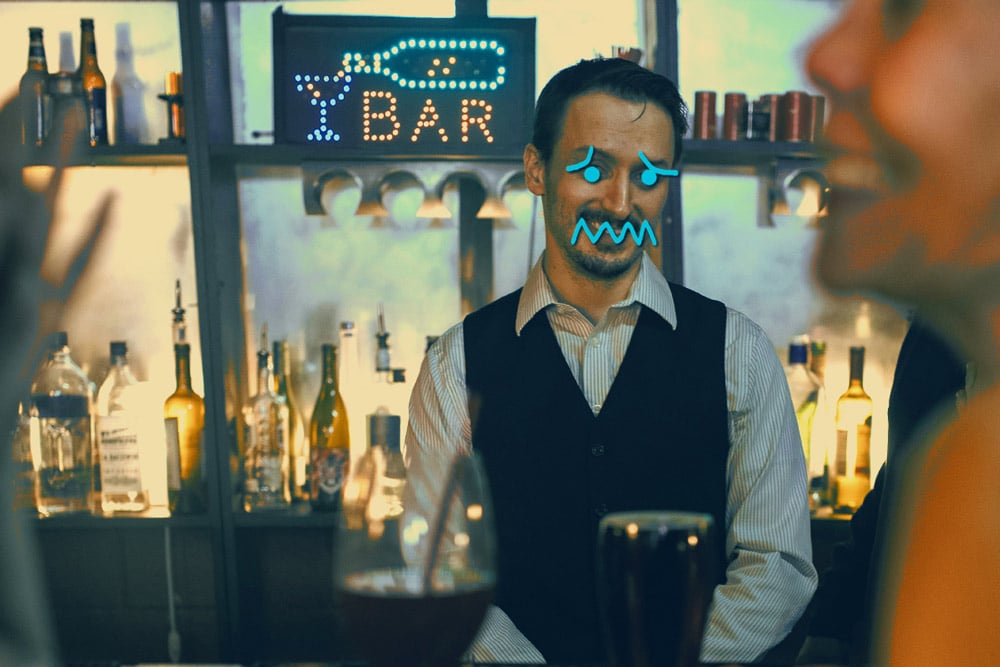
Most colleagues agree on one thing. Burnout does not necessarily come from making cocktails. It comes from the emotional burden of spending hours dealing with people while maintaining a positive attitude.
In other words, it comes from maintaining a social persona for 10 hours every night.
In recent years, several influential bartenders have begun speaking openly about the burnout that exists behind the glamour of high-end cocktail culture. Their voices have helped change the conversation around mental health within the industry.
Figures such as Jim Meehan, creator of PDT in New York, have explained how bar work combines constant emotional hospitality, pressure to succeed, and a culture where alcohol is always present.
Other respected figures, such as Tony Conigliaro, known for bars like 69 Colebrooke Row and Bar Termini in London, have acknowledged the exhaustion caused by constant creative pressure and endless working hours.
Stories like that of Jack McGarry, cofounder of The Dead Rabbit, have also contributed to the conversation. McGarry has spoken publicly about how early success and the demands of the industry led him to confront problems with alcohol.
These testimonies, combined with the pressure of working in bars recognized by global rankings such as The World’s 50 Best Bars, have helped highlight a reality that is now being discussed more openly within the international cocktail community. Behind the bar, emotional exhaustion is very real.
The good news is that the conversation has begun, and the industry is slowly changing.
More bartenders are setting clearer boundaries with their schedules, reducing alcohol consumption during or after shifts, and prioritizing rest between working days. Some bars are implementing more balanced shift rotations and encouraging supportive environments among colleagues.
Mental health is also being discussed more openly at cocktail festivals, seminars, and industry gatherings, something that was almost taboo just a few years ago.
Because at the end of the day, hospitality starts with you. If you are not well, it becomes very difficult to take care of others.