

By The Tahona Editorial Team
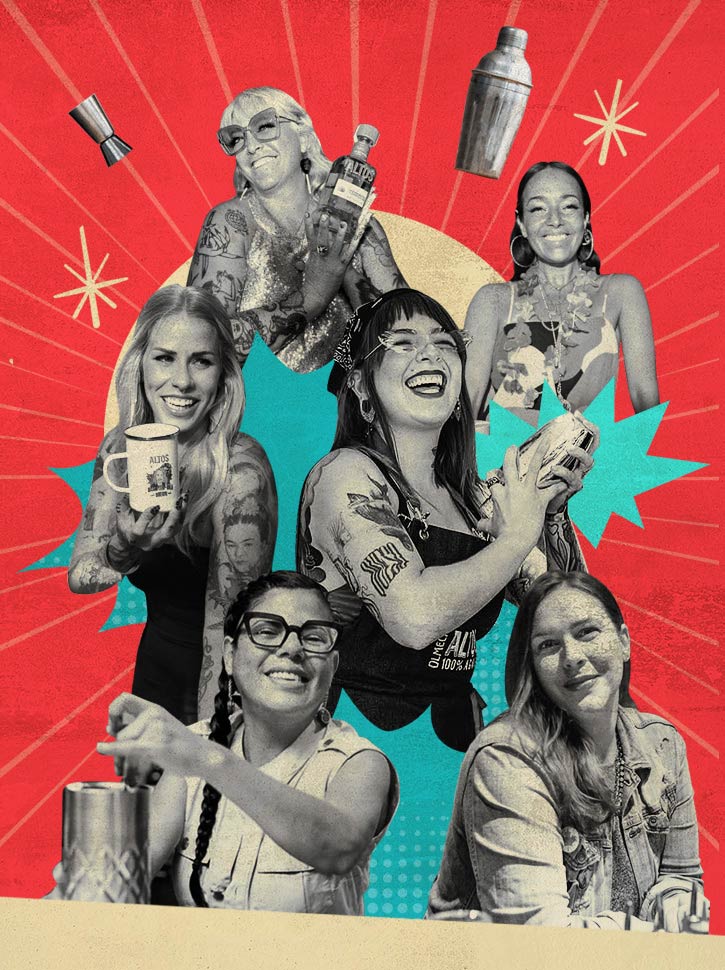
Behind the bar, there is also a heart. And it is deeply feminine!
Written by
The Tahona Editorial Team
Published on
Feb 19, 2026
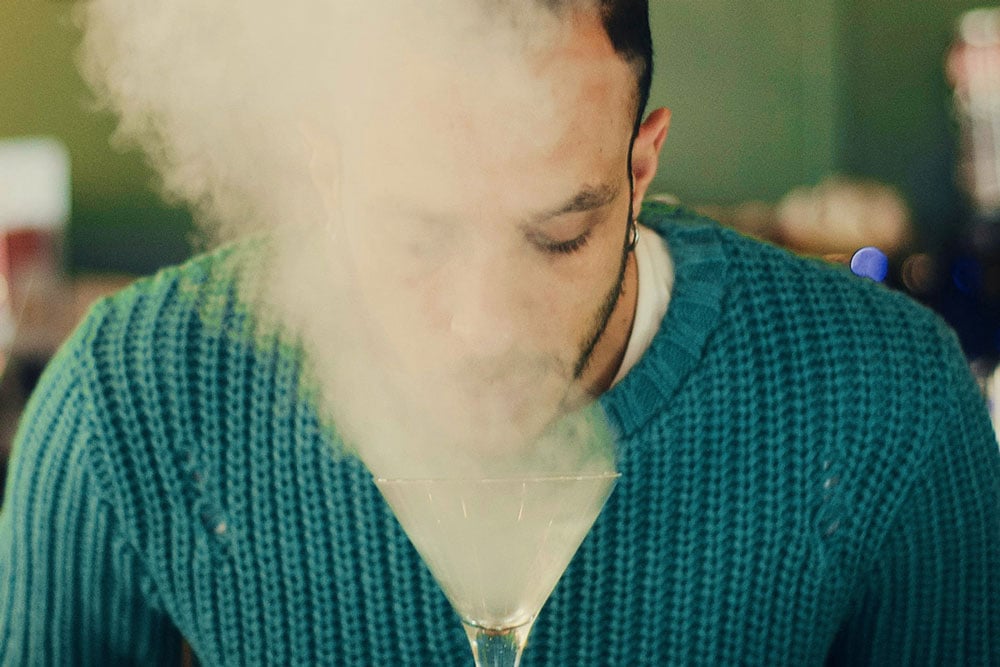
Since knowledge is the best gift you can give, we have one for you this International Bartenders Day. A complete guide to sensory training, also known as “palate exercises.” This is not about natural talent. It is about training and training your senses until recognizing a flavor or spotting an imbalance becomes second nature.
Since 2018, February 24 has marked International Bartenders Day, an initiative created to bring us together, professionalize our craft, and recognize the work and creativity of bartenders around the world. We have many skills and talents, but one stands out without question. A privileged palate, combined with a taste memory we exercise every single day.
You could say we are sensory athletes, alongside chefs. You probably have a chef friend who became a bartender or a bartender who became a chef, because both professions go hand in hand.
If we think of a bartender’s palate as a muscle that needs constant training, it becomes clear that no matter how much talent we have for balance, it is essential to taste, taste, and taste again. Adjusting as we go, while activating our gustatory memory (the type of sensory memory linked to taste).
In other words, sensory training requires time and intention. It goes far beyond judging whether a cocktail is well executed or not, whether you like it, or whether you can describe it in great detail.
As curious, creative, and sensory professionals, we must build a systematic process to educate and refine our senses, especially taste, smell, and sight. This allows us to recognize, differentiate, describe, and evaluate flavors, aromas, and textures with surgical precision.
Now ask yourself. Are you able to perceive all the nuances in the ingredients you use behind the bar? Do you understand how each flavor interacts with the others? Can you easily detect imbalances or flaws?
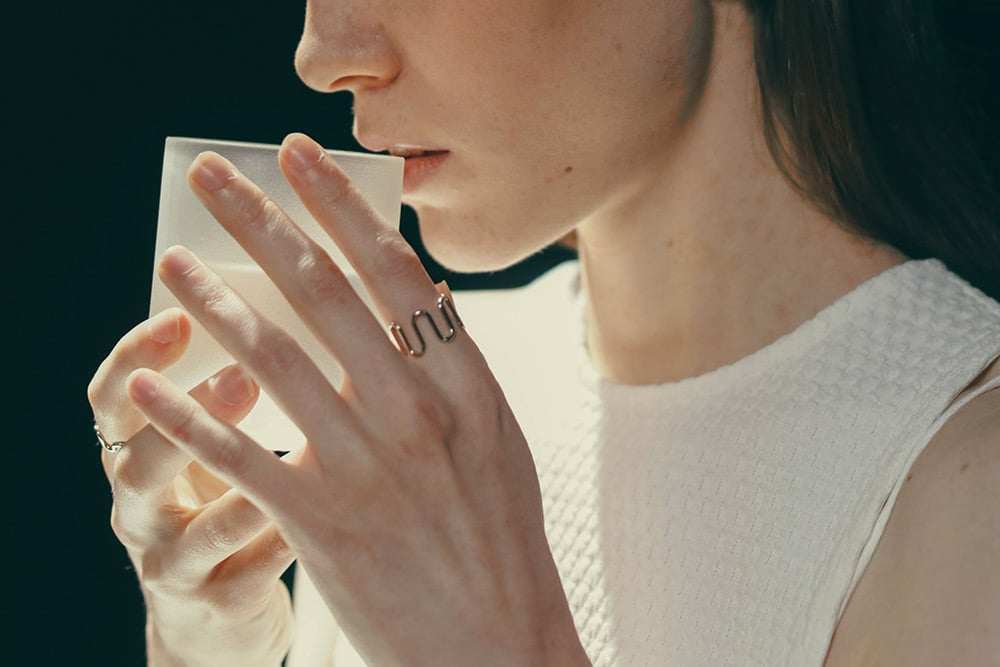
Start with this exercise. Many of the spirits, liqueurs, aperitifs, bitters, citrus fruits, fruits, herbs, syrups, creams, waters, mixers, and garnishes behind your bar may have become part of the background. Now it is time to focus on them again.
Smell each one carefully and identify its primary and secondary aromas, such as fermentation, wood, or oxidation. Then train your palate to recognize not only basic flavors, but also texture, body, astringency, and temperature. And please, do not forget to look at them. Evaluate color, clarity, and intensity.
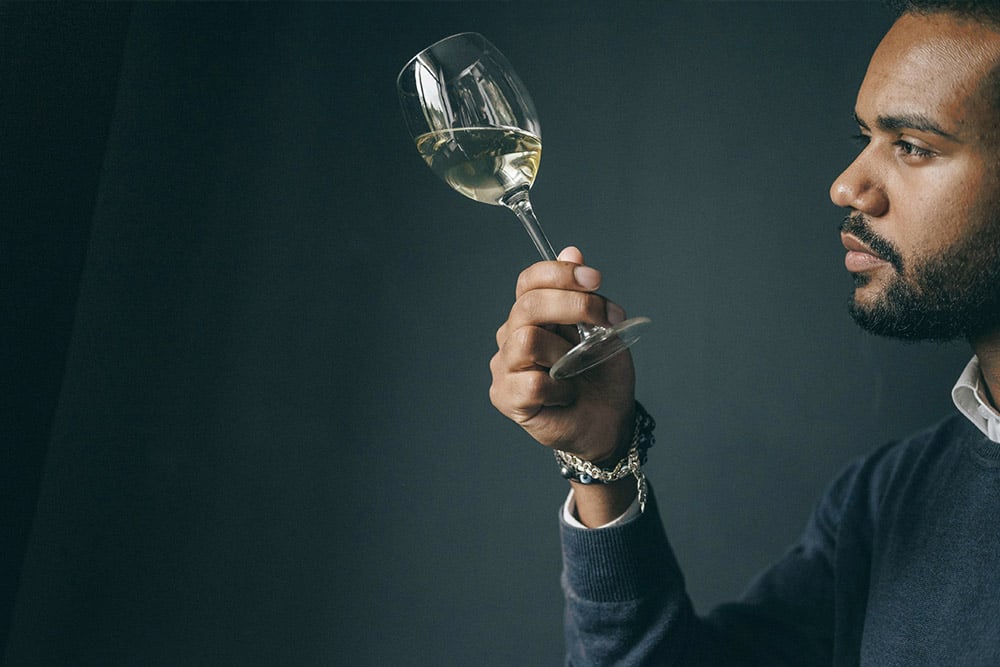
Now it is time to train with intention and memory. Just like going to the gym, the only way forward is repetition.
When was the last time you did a blind tasting? Have you ever compared similar products side by side, like a tonic water or ginger beer tasting? Have you asked a colleague to give you something to smell or taste and then describe it in terms of aroma, color, and flavor? Have you analyzed the same cocktail at different dilution levels? Do you keep a notebook where you write detailed tasting notes for every cocktail on your menu?
From now on, block time in your calendar for sensory training. Over time, you will notice that you can adjust cocktails without remeasuring, detect when a spirit is “off profile,” create more balanced recipes, maintain consistency in every service, and better describe a cocktail to your guests. That level of detail is exactly why customers come back.
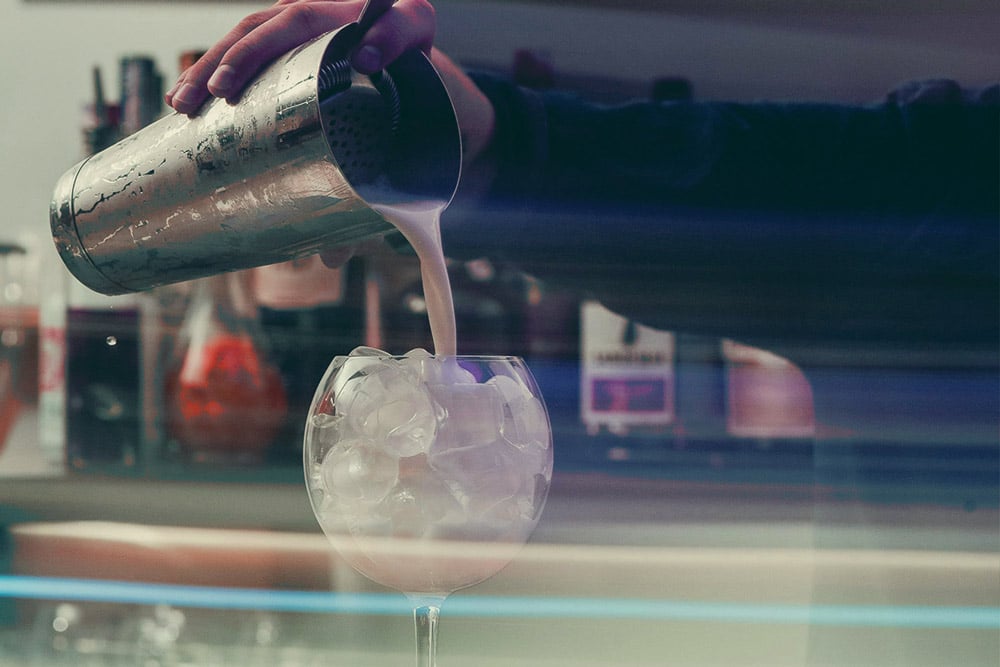
Here is a final exercise to keep your palate active, sharp, and responsive. Do not let it lose sensitivity over time.
Take care of it. Avoid overwhelming your senses. Be mindful when consuming very spicy chilies or spices, extremely sweet, salty, or mentholated foods and drinks, heavily processed fats and fried foods, very creamy or greasy sauces, very hot beverages, and tobacco.
Practice citrus tastings, including lemon, lime, grapefruit, and orange. Taste base spirits like tequila, vodka, gin, and white rum. Explore herbs and spices, bitters and essential oils, and classic cocktails. Analyze a cocktail from a competitor’s menu, and do not forget to let your palate rest.
This is how you begin to remember and associate flavors, building that mental archive of tastes that becomes your greatest asset. That is the true capital of a bartender.
And do not forget your tasting notebook!
By The Tahona Editorial Team
Behind the bar, there is also a heart. And it is deeply feminine!
By The Tahona Editorial Team
From Agave to the Bar: Why Tequila Certification Matters to Bartenders Too
By The Tahona Editorial Team
Altos Tequila’s Margarita Month Takeover: A Toast to UK Bartending Excellence