By The Tahona Editorial Team
Sisterhood and Spirits: Two Women Who Are Changing the Bar Industry



Written by
The Tahona Editorial Team
Published on
May 29, 2026
You know what it feels like to be on your feet for ten hours straight. To smile through hour eight when your lower back is done. To give everything you have to a full room of people.
You know how to keep going. You do it every shift.
But when was the last time you did something that was just for you?
Running might be that thing—not because it’s trendy, but because of what it quietly does for a body and mind that are constantly in service of others.
It costs almost nothing to start. It asks only that you show up and move. And in return, it gives back something hospitality rarely does: time that belongs entirely to you. A moment with no guests to read, no orders to remember, no performance required. Just forward motion, breath, and the rare, underrated experience of being alone with your own thoughts.
There are a hundred ways to take care of yourself. So why running?
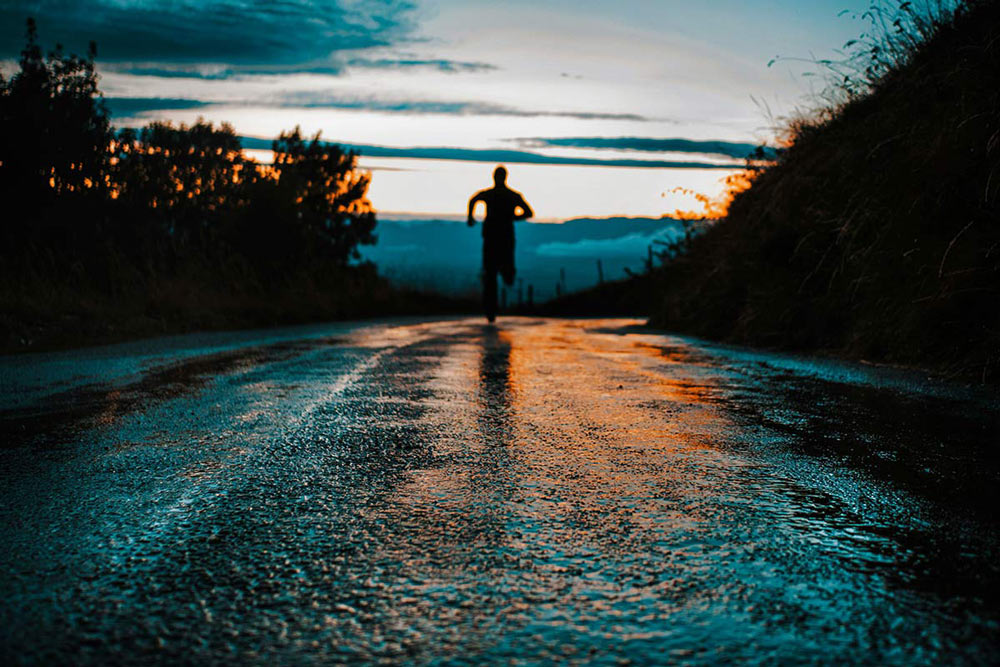
Bartending is physically demanding in ways people outside the industry rarely understand. The prolonged standing. The repetitive motion. The toll of heat, noise, and constant sensory input. Over time, running builds the cardiovascular resilience to absorb those demands more efficiently. Your feet recover faster. Your energy lasts longer. Your sleep deepens.
The mental load of a service job is real. The performance required to be “on” all night, the emotional labor of managing difficult guests, the blurred boundary between social life and work life—it accumulates. Running creates a break in that noise. Not a cure, but a consistent release valve. A moment where the only thing required of you is to move forward.
For many hospitality professionals, it also becomes an anchor—a rare space in the week that belongs entirely to them, without an audience, without demands, without needing to be anything other than a person in motion.
There is something that happens when a group of bartenders runs together. The usual social dynamics of the industry—the late nights, the networking, the “one more drink” culture—get replaced by something quieter and more real. You’re sweaty, slightly out of breath, and completely yourself. Those runs become some of the most honest conversations you’ll have in this industry.
Most running programs assume you live a certain kind of life. Early mornings. Consistent bedtimes. Weekends free for long runs. A body that isn’t already carrying the weight of a double shift when Thursday comes around.
Hospitality life doesn’t look like that. Your Tuesday is someone else’s Saturday. Your “morning” starts at noon. Some nights you’re pouring drinks until 3 a.m., and some days you’re on a plane to a brand event with jet lag and a carry-on full of competition samples.
Traditional training plans weren’t built for you. Which is exactly why so many good intentions—the running shoes bought in January, the app downloaded and forgotten, the 5K that never happened—quietly disappear. Not because you lack discipline, but because the structure wasn’t designed for your reality.
“This is where most running journeys break — not because of a lack of motivation, but because the structure doesn’t match the reality.”

The Tahona Society Running Club is a 17-week program built specifically for people who work in hospitality—built around your schedule, your body, and your reality.
Wherever you are right now, there’s a path for you:
The program moves you through four intentional stages—from building the habit and developing endurance, to sharpening your mental edge and arriving at race day feeling genuinely ready. Each phase is designed to flex around your schedule, not fight it.
Along the way, you’ll have access to:
Seventeen weeks. Four phases. One global finish line. — and it starts with wherever you are today.
To kick off the program, we’re starting with a conversation between two people who understand what this actually takes.
Simon Kistenfeger—Global Brand Ambassador for Altos Tequila and someone who has lived the rhythms of hospitality at the highest level—sits down with Andy Marcu, who leads Adidas Runners Europe and has spent years developing training systems for people with demanding, unpredictable lives.
Together, they explore what it really means to run without a traditional routine. How do you build consistency when your schedule changes weekly? How do you fuel a run when your last meal was at 1 a.m.? What does recovery look like when a “rest day” doesn’t exist?
This conversation is the starting point—honest, practical, and grounded in real experience on both sides of the bar.
You spend your career taking care of other people. You are expert-level at it. This program is an invitation to redirect a fraction of that energy toward yourself—not as a luxury, but as a practice.
This is not about becoming a runner. It’s about building something consistent in a life that rarely stops moving. It’s about discovering what your body is capable of when it’s not in service of a full room.
It’s about finishing something that is entirely, completely yours.
By The Tahona Editorial Team
Sisterhood and Spirits: Two Women Who Are Changing the Bar Industry
By The Tahona Editorial Team
Behind the bar, there is also a heart. And it is deeply feminine!
By The Tahona Editorial Team
Happy National Taco Day: Celebrate with the Best Tacos from Around the World
By The Tahona Editorial Team
Discover Veneno Paloma: National Paloma Day!
By The Tahona Editorial Team
Altos Margarita Month 2024: The World’s 50 Best Bars in Mexico City Take Over UK Bars
By The Tahona Editorial Team
From Taquerías to Fine Dining: The Best Restaurants in Mexico City and Oaxaca According to the MICHELIN Guide
By The Tahona Editorial Team
Bartenders, Take Note: Here Are Guadalajara’s Top 5 New Spots for 2025
By The Tahona Editorial Team
Mexican Independence Day: Celebrate with Pre-Hispanic Drinks
By The Tahona Editorial Team
Welfare Series Book No. 2: Nutrition